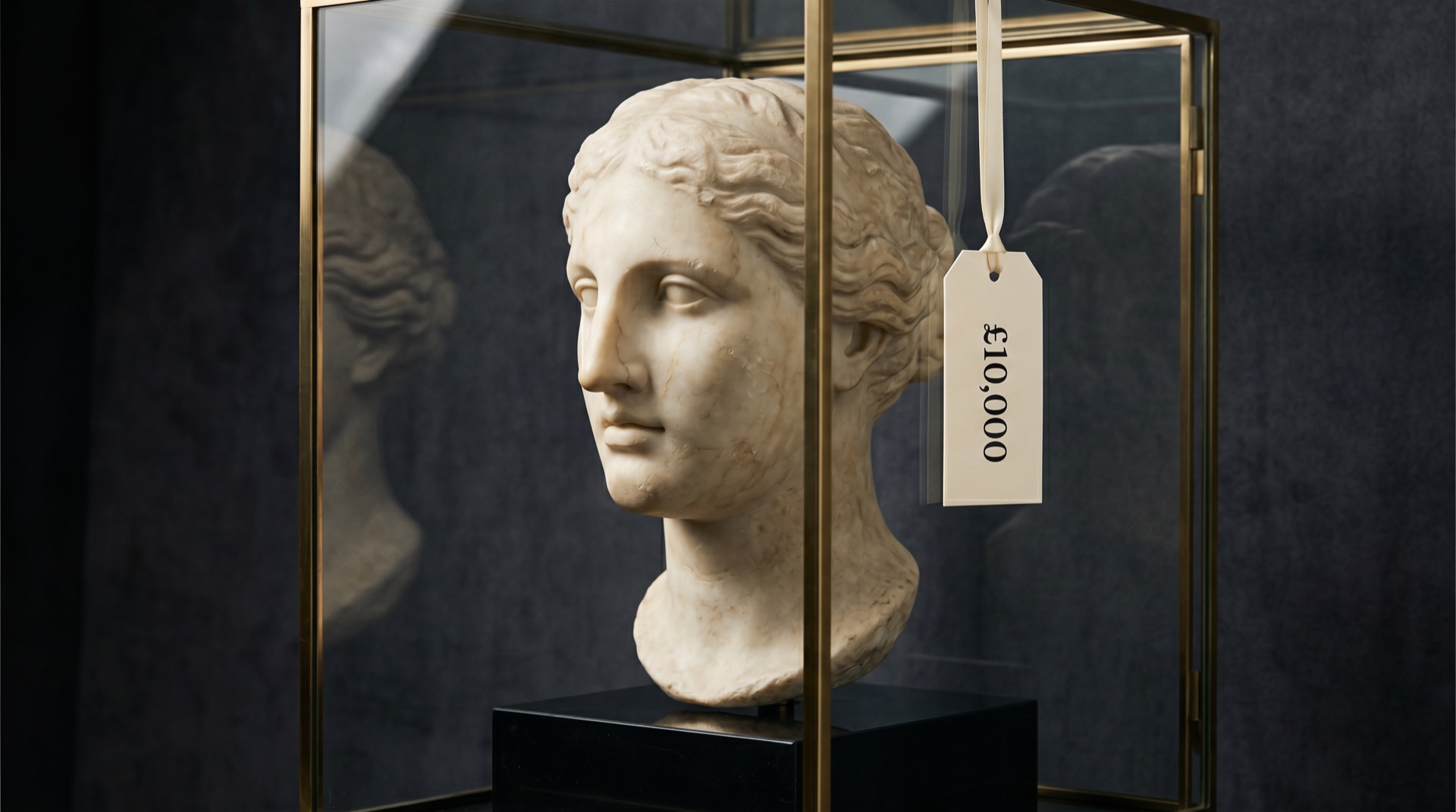
In May 2026 I set out to find what every named rhinoplasty consultant in London charges. Twenty-five surgeon websites. Eight major UK cosmetic surgery chains. I read every published price list, every "guide to costs" page, every fee schedule.
This is what I found.
Only eleven of the twenty-five publish a complete fee schedule. That is 44%. Four others publish partial information: a consultation fee, or a "from" price that does not reflect the operation most patients actually need. The remaining ten publish nothing meaningful. Several of them are among the highest-volume rhinoplasty surgeons in the country. At least three are Harley Street practices that openly market themselves as transparent. To find out what any of them charges, you have to book and pay for a consultation.
I think this is wrong. So I want to do something about it.
This is the post I wish I had been able to read when I was researching surgery for myself. It is the most honest account I can give of what rhinoplasty actually costs in the UK in 2026, why prices vary as much as they do, what your fee should include, and the four costs that almost nobody mentions on their pricing page.
I am Mr David Whitehead, a Consultant ENT and Facial Plastic Surgeon. I run NOSE London from 9 Harley Street and 25 Harley Street. I operate at Weymouth Street Hospital, which is the highest-volume rhinoplasty hospital in the UK by PHIN data. The hospital performs around 400 rhinoplasty and septorhinoplasty procedures a year, which is 11.8% of the entire UK private rhinoplasty market.
My primary rhinoplasty starts at £10,000. My septorhinoplasty starts at £10,500. Those prices are published in full on my pricing page, with a complete breakdown of what is included. I publish them because I think transparency is the most useful thing a private surgeon can offer a self-funding patient.
By the end of this article you will know exactly why I charge what I charge, why some surgeons charge more, why others charge much less, and how to read a quote so you do not get caught out.
The headline numbers
Here is the verified May 2026 pricing landscape for primary rhinoplasty in the UK. The named London consultants below are those who publish complete fee schedules. The chains publish "from" prices.
| Tier | Typical published price | Who is in it |
|---|---|---|
| UK chains ("from" pricing) | £2,950 to £6,000 | Europe Surgery, MYA, Transform, Harley Medical, Spire, The Private Clinic, Enhance Medical |
| Lower-mid London consultant | £6,900 to £7,750 | Multi-surgeon clinics. ENT consultants in Kensington and Marylebone |
| Mid London consultant | £7,500 to £8,950 | Established named London consultants with single-surgeon practices |
| Premium London consultant (where I sit) | £10,000 to £11,000 | Transparent fee-assured London consultants. Some Harley Street boutiques |
| Top-tier London consultant | £12,000 to £15,000 and above | Top-volume specialists. Ultra-premium Harley Street. Complex revision |
Median London consultant primary rhinoplasty (transparent surgeons only, May 2026): £8,950. Mean: £9,520.
A handful of specific data points stood out to me when I pulled them this week.
One London surgeon advertises rhinoplasty "from £4,500." Read further and his open rhinoplasty, which is what most patients actually need, starts at £10,200. The £4,500 figure is for closed-tip work that suits perhaps one in twenty patients.
One Harley Street chain publishes a "from £4,750" price for primary rhinoplasty but charges £12,995 for a revision. That £8,000 spread tells you everything about how much risk and time a complex case represents.
One premium plastic surgeon at the top of the market publishes £12,500 for primary, £13,500 for septorhinoplasty, £15,000 for revision, and a £2,750 surcharge for a rib graft when one is needed. That is the most itemised fee schedule I found anywhere.
One Harley Street ultrasonic specialist publishes £10,950 for primary or ultrasonic rhinoplasty as a single transparent figure. His consultation is £300 and is not credited to the surgery cost.
One ultra-premium Harley Street plastic surgery clinic publishes £10,000 for primary, £10,000 for septorhinoplasty, £12,500 for revision. The in-person consultation with the lead surgeon is £350.
One central London clinic publishes £8,950 for primary rhinoplasty as a true all-inclusive set fee. The consultation is £100 and is credited to surgery.
One Marylebone consultant publishes prices that explicitly state they are "valid from January 1st 2024." He appears not to have updated his fee schedule in over two years, despite documented hospital fee inflation of around 2% a year over the same period.
One well-known London nose clinic, founded by a surgeon with nearly forty years of rhinoplasty-only practice, publishes no prices at all. Their fee schedule begins with the line: "Each rhinoplasty procedure is unique to our patients, which is why costs vary per person." That sentence is true. It is also a way of saying: come in, pay for a consultation, and we will tell you when we have your attention.
Three Harley Street practices, one Marylebone consultant, one Chelsea and Surrey ENT surgeon, one cosmetic-surgery group with multiple London locations, and the nose clinic above all decline to publish any surgical fees. To compare them, a patient would need to attend five paid consultations totalling £1,000 to £1,500 in fees alone before learning the actual price.
The honest answer to "how much does rhinoplasty cost in the UK in 2026" is that it depends. It depends on the surgeon's training, the hospital, the technique, the complexity of your nose, and most of all on whether the surgeon has decided to be transparent.
Why the price range is so wide
Rhinoplasty is the most technically demanding operation in cosmetic surgery. A misjudgement of cartilage by a millimetre is visible for the rest of your life. Two surgeons can produce dramatically different results from the same starting point. The price range reflects real differences in what you are buying.
There are four variables that matter.
1. The surgeon
A consultant surgeon's fee is roughly 45% of the total cost of your operation. Surgeons differ in three important ways.
Training pathway matters. I am dual-certified in ENT (the speciality of the nose, throat and ears) and Facial Plastic Surgery. I hold the RCS Intercollegiate Board Certificate in cosmetic surgery of the face, nose, periorbital region and ears. Other surgeons are trained as plastic surgeons whose practice happens to include rhinoplasty. Both pathways can produce excellent results. The difference matters most when something goes wrong, and I think an ENT-trained surgeon has the broader anatomical and functional background to deal with it.
Volume matters too. PHIN data published in 2025 shows that 31 surgeons in the entire UK perform more than 50 rhinoplasties a year. Most "rhinoplasty surgeons" do considerably fewer. Volume matters because rhinoplasty has a steep learning curve. Most experienced surgeons agree that the 200th rhinoplasty is markedly different from the 50th.
Specialisation matters. Some surgeons treat rhinoplasty as one of many procedures they perform. Others, like me, focus exclusively on the nose and face. After my UK consultant training I completed two further fellowships dedicated to nose surgery: a rhinology fellowship in Manchester focused on the functional and structural side of nose work, and a European Academy of Facial Plastic Surgery fellowship in Istanbul under one of the highest-volume cosmetic rhinoplasty surgeons in the world. A higher-priced surgeon may simply be doing it more often, more recently, and with better outcomes data behind him.
2. The hospital
Hospital fees are roughly 31% of the total cost. London hospitals charge a premium for several reasons that are real but not always made clear to patients.
I operate at Weymouth Street Hospital. PHIN's most recent data ranks it as the #1 UK hospital for rhinoplasty volume: 535 nasal procedures, 400 of which are rhinoplasty or septorhinoplasty. That is 11.8% of the entire UK private rhinoplasty market happening at one hospital. The CQC rates Weymouth Street as Good across all five inspection domains.
Some patients pay less because their surgeon operates at a lower-cost facility. Some pay more because the facility has higher acuity or more complex equipment. One Harley Street clinic in the £10,000 to £15,000 range was rated Requires Improvement by the CQC at its most recent inspection, with a Warning Notice issued under Regulation 12 (Safe care and treatment). That is information patients deserve to know before paying premium prices.
3. The technique
There are three main rhinoplasty techniques performed in the UK today.
Traditional rhinoplasty reshapes cartilage and bone using rasps and chisels. It is the most established technique and produces excellent results in experienced hands.
Ultrasonic rhinoplasty (also called piezo) uses high-frequency vibration to sculpt bone with less collateral trauma. It generally costs £500 to £1,000 more than traditional, because of the equipment and theatre time involved.
Preservation rhinoplasty works beneath the framework of the nose rather than removing tissue. In suitable cases the swelling and recovery are more predictable.
Most surgeons trained pre-2018 perform traditional rhinoplasty as their default. Surgeons who trained or retrained more recently increasingly offer ultrasonic and preservation as standard. The price difference between techniques is real but small: usually £500 to £1,000.
4. The complexity of your nose
A young patient with a moderate dorsal hump and a straight septum is a different operation from a 45-year-old with a previous fracture, a deviated septum, valve collapse and a list of unrealistic expectations. The same surgeon will charge perhaps 20% more for the second case because it takes longer, requires grafts, and carries higher revision risk.
Most surgeons publish a "from" price that reflects the simpler end of their case mix. Your actual quote, after consultation, may be £1,000 to £3,000 above that figure.
What your fee should actually include
This is where most quotes fall apart. A £6,900 quote and an £8,950 quote can describe almost identical operations. The difference is what is bundled in.
A complete rhinoplasty fee should include:
| Component | Approximate share | What it pays for |
|---|---|---|
| Surgeon's fee | 45% | The operation, all consultations, all surgical follow-ups for at least 12 months |
| Hospital or facility fee | 31% | Theatre, ward, nursing care, recovery |
| Anaesthetist's fee | 9% | Pre-op assessment, anaesthesia, post-anaesthetic care |
| Indemnity provision | 7% | The surgeon's insurance to cover complications and litigation |
| Consumables and follow-up | 8% | Splints, dressings, prescriptions, scans if needed |
That breakdown is calibrated against the Pricing Model Methodology I built using anonymised data from 16 UK clinics, three insurer fee schedules (BUPA, AXA, WPA), and Phoenix Hospital Group facility records across three time points. The cost of running a private rhinoplasty practice is well understood. The maths add up to roughly the figures you see on my website.
What should not be charged extra:
- Pre-operative consultations. You may have paid £100 to £250 to see the surgeon initially, but this should be credited to the surgery cost or absorbed.
- The first six to twelve months of follow-up appointments.
- Surgical splints, dressings, basic post-op medication.
- Suture removal.
- Computer simulation imaging (now standard at most reputable clinics).
What is reasonably charged extra:
- Rib grafts, typically £2,000 to £3,000, if needed for revision or complex primary cases.
- A second night in hospital if your operation runs late or your recovery is slow.
- Revision surgery if you are unhappy with the result. Most UK surgeons charge in full for revision. A small minority will waive their own surgeon's fee within the first 12 months, but you will almost always still be billed for the hospital theatre, the anaesthetist and any associated facility costs, typically £3,000 to £4,500. The phrase "free revision" in the small print of a quote is rarely literally free.
- Travel-related accommodation if you are coming from outside London.
The four hidden costs almost nobody mentions
This is where I think most pricing pages quietly mislead patients.
Hidden cost 1: revision surgery probability
Published data, the strongest of which is Neaman et al. in Aesthetic Surgery Journal, 2013 (369 cases over 10 years), puts the primary rhinoplasty revision rate at 9.8%. Roughly one in ten patients ends up wanting or needing a second operation.
Most UK surgeons charge in full for revision. A small number will waive their own surgeon's fee within the first 12 months, but the patient is still billed for the hospital theatre, the anaesthetist and the facility, which together typically come to £3,000 to £4,500. So when you read "free revision" in a quote, ask exactly which fees are waived and which are not.
The maths matter when you are comparing quotes. If your effective probability of needing a revision is 10%, and revision is going to cost you £3,000 to £4,500 in third-party fees even from a "free revision" surgeon, you should set aside £300 to £450 of your budget against that risk. If revision is fully chargeable, set aside £1,000 to £1,500.
My own policy: if revision is needed within 12 months of your original operation, I do not charge for my own time. You would still be responsible for the Weymouth Street Hospital theatre fee and the anaesthetist's fee, which are billed directly by the hospital and the anaesthetist consultant. After 12 months, revisions are priced case by case, because most revisions are needed once the original operation has fully settled.
Hidden cost 2: the insurance shortfall
If you have BUPA, AXA Health or WPA, you might be hoping your insurer will cover some of the cost. Mostly they will not. Here is the reality, with figures pulled directly from the 2025 fee schedules.
| Insurer | What they pay for septorhinoplasty (E0230) | What the operation actually costs | Your shortfall |
|---|---|---|---|
| BUPA | £1,499 | £8,000 to £10,000 | £6,500 to £8,500 |
| AXA Health | £805 | £8,000 to £10,000 | £7,000 to £9,000 |
| WPA | £1,080 | £8,000 to £10,000 | £7,000 to £9,000 |
Cosmetic rhinoplasty (procedure code E0240) is not routinely covered by any major UK insurer. BUPA lists it but classifies it as "restricted and not routinely eligible for benefit." AXA excludes it entirely. WPA reclassifies the code to mean revision septorhinoplasty.
For functional septoplasty (code E0360), insurance pays around 16.5% of the actual procedure cost on a BUPA fee schedule. Patients are typically left to fund the remaining 83.5% as a "self-pay top-up." This is normal practice across the UK rhinoplasty market. It is rarely explained clearly upfront.
I am fee-assured with BUPA. That means my surgeon's fee for any procedure they cover is the BUPA-listed amount with no extra to pay on top. It is a meaningful difference from surgeons who charge above the BUPA fee and bill patients for the gap. Always ask any surgeon before booking: "are you fee-assured with my insurer?"
Hidden cost 3: consultations, imaging, follow-ups
Some clinics offer a free initial consultation. Others charge £100, £150, £240, or even more. A small minority (mine included) charge £250 but credit it to your surgery cost if you proceed.
A free first consultation can be the cheaper option, until you discover that the second consultation, the imaging session, and the pre-op meeting each cost extra. A "free" first consultation followed by three £150 follow-ups is £450. That is more than my single £250 fully credited initial consultation.
Always ask: "What is the total fee for everything before I am booked for surgery?"
Hidden cost 4: aftercare beyond month six
The first six months of rhinoplasty recovery includes the operation itself, the splint removal, suture removal, and three or four follow-ups. After that, two things commonly happen.
Your nose continues to settle for up to 18 months. You may want a check-up at month 9 or 12.
You may notice a small irregularity you would like reviewed. A tiny asymmetry, a residual bump, something you only see in particular light.
Most surgeons charge for follow-ups beyond six months. Some do not. Ask in advance whether year-2 or year-3 reviews are included in your original fee.
Why £4,500 in Turkey is not the same product as £10,000 in London
If you have been researching rhinoplasty for any length of time you will have seen the Turkey advertisements. Istanbul rhinoplasty packages are commonly £3,500 to £5,500 inclusive of flights, hotel and transfers. The same operation in London costs three times more. Why? I have written about this in detail on my cosmetic surgery in Turkey page, but the short version is below.
There are several reasons, all of which matter.
Indemnity. A UK-based consultant surgeon's indemnity insurance is roughly 10% of practice revenue, which works out at around £450 per case. Turkish surgeons typically operate without equivalent indemnity coverage. If something goes wrong, your recourse is essentially zero.
Regulation. UK surgeons are regulated by the GMC and the Royal Colleges. Turkish clinics frequently use unregistered providers performing procedures that would not pass UK regulatory standards.
Revision rights. The 9.8% revision rate is the same in Turkey, but there is no realistic prospect of returning to the original surgeon for revision under your original fee. Most patients with a botched Turkish rhinoplasty end up paying another £8,000 to £12,000 in the UK to fix it. Their total spend exceeds £15,000, which is far more than they would have spent if they had booked in the UK from the start.
Continuity of care. A bad result that becomes apparent at month 6 cannot be properly assessed remotely. You will need to fly back. Some Turkish clinics charge full price again for revision.
Volume mismatch. A clinic doing 30 rhinoplasties a week to a price-sensitive international clientele is a different operation from a London consultant doing 200 procedures a year for self-funding UK patients with high expectations.
I am not anti-Turkey for everything. Turkey has many excellent surgeons. I trained in Istanbul myself, on a European Academy of Facial Plastic Surgery fellowship under one of the world's most experienced rhinoplasty surgeons, so I know the very best Turkish surgeons well. The point I am making is different. The £4,500 packaged "rhinoplasty in Istanbul" advertised on Instagram is almost never the same product as a procedure with a London consultant, or for that matter with one of the elite Istanbul surgeons either. The UK media has covered numerous tragic outcomes from medical tourism over the past five years. The BBC, Daily Mail and The Guardian have all run multiple investigations.
What I charge and what is included
For full transparency, here is exactly what NOSE London charges as of May 2026.
| Procedure | Price |
|---|---|
| Initial consultation | £250 (credited to surgery) |
| Primary rhinoplasty (open or closed) | from £10,000 |
| Septorhinoplasty | from £10,500 |
| Revision rhinoplasty | from £12,000 (case-dependent) |
| Tip rhinoplasty | from £8,000 |
| Alar base reduction | from £4,500 |
| Septoplasty (functional only) | from £6,000 (BUPA fee-assured) |
| Ethnic rhinoplasty | from £10,500 |
| Ultrasonic rhinoplasty | from £10,500 |
Every quote includes:
- All pre-operative consultations and imaging
- The operation, theatre and surgical team
- Anaesthetist
- One night in Weymouth Street Hospital
- Splints, dressings, prescriptions
- All follow-up appointments for 12 months
- Indemnity provision (the bit most quotes do not tell you about)
Excluded:
- Hospital theatre and anaesthetist fees if you need revision surgery. Within 12 months I waive my own surgeon's fee, but Weymouth Street Hospital and the anaesthetist consultant will bill you directly for their time and theatre charges (typically £3,000 to £4,500 combined)
- Revision surgery beyond 12 months. Priced case by case at consultation
- Rib grafts if required (£2,500)
- Travel and accommodation if you are coming from outside London
I publish these figures because the alternative, making patients pay for a consultation to discover the price, is unfair to anyone researching a £10,000 self-funded purchase.
Why I am not the cheapest
My £10,000 primary fee places me at roughly the 65th percentile of London consultants who publish prices. Five other transparent London consultants sit below me, in a band running from £6,900 to £8,950. Five sit above me, from £10,950 up to £15,000 and beyond.
So why £10,000?
There are three reasons.
First, I operate at the UK's highest-volume rhinoplasty hospital. That comes with a higher facility fee than smaller hospitals. Roughly £2,500 against £1,500 to £2,000 elsewhere. I think the difference is justified by the volume of rhinoplasty experience the entire team brings to your case, but I want you to know it is there.
Second, I include things in my fee that other surgeons charge separately. Twelve months of follow-up. All consultations and pre-operative imaging. Splints and dressings. Some lower-priced surgeons quote £8,500 but charge £200 per follow-up. By the time you have finished your year of recovery, the total cost is similar.
Third, I publish my prices. There is a small "transparency tax" in being open. Surgeons who do not publish can quote each patient individually, capturing what each is willing to pay. I cannot do that. So my single published figure has to cover the average case fairly. That favours patients with simple anatomy and is a slight premium on patients who would be quoted lower in a non-transparent practice. I think it is the more honest deal overall.
If you want the cheapest rhinoplasty in London, I am not your surgeon. If you want a transparent fee for an experienced consultant working at the country's highest-volume rhinoplasty facility, with a published all-inclusive structure and full-year aftercare, I think £10,000 is fair.
What to do next
If you have read this far, you are a serious researcher and you deserve a clear plan.
- Make a shortlist of three surgeons. Use the data above to set your budget honestly. Aim for transparent practices that publish complete fee schedules.
- Verify GMC registration and credentials. The GMC online register is free and definitive. Look for FRCS (ORL-HNS) for ENT-trained surgeons or FRCS (Plast) for plastic surgeons. The RCS Intercollegiate Board Certificate in Cosmetic Surgery is the highest UK credential and is held by only a small minority of consultants.
- Check CQC ratings of the hospitals they operate at. CQC inspection reports are public.
- Read independent reviews on RealSelf, Doctify and Trustpilot. Look for detailed accounts of the consultation experience and recovery, not just star ratings.
- Book a paid consultation, not a free one. A free consultation is a sales meeting. A paid consultation is a clinical assessment. Ask for an itemised quote in writing before you leave.
- Compare like for like. When you compare two quotes, line them up against the seven-component fee structure above. Most cheaper quotes are missing components, not delivering them more efficiently.
If you would like to start that process with me, my consultation is £250 and is credited to surgery if you proceed. You can book a consultation online or call 020 7183 0220. I see patients at 9 Harley Street and 25 Harley Street, and I operate at Weymouth Street Hospital. You can read more about my training and credentials on the about page.
Whether you choose me or one of my colleagues, please do not choose on price alone. The single biggest predictor of regret in rhinoplasty is not price. It is choosing the wrong surgeon for your nose. The published evidence is unambiguous on that point.
If this post has been useful, please share it. I want UK rhinoplasty to be a more transparent market, and the only way that happens is patients knowing what to ask, what to expect, and what they are paying for.
Frequently asked questions about rhinoplasty cost in the UK
How much does rhinoplasty cost in the UK in 2026?
UK chains advertise rhinoplasty from £2,950 to £6,000. Named London consultants who publish full prices charge between £6,900 and £15,000 for primary rhinoplasty. The median London consultant primary rhinoplasty in May 2026 is £8,950. My fee at NOSE London is £10,000. Full breakdown on my pricing page.
Why is rhinoplasty more expensive in London than the rest of the UK?
London hospital fees are roughly 10 to 20% higher than regional facilities. London consultants tend to be higher-volume specialists with higher indemnity premiums. London also has the highest concentration of fellowship-trained rhinoplasty surgeons in the country. The London premium for primary rhinoplasty is around 40% over the national average.
Is rhinoplasty covered by BUPA, AXA Health or WPA?
Cosmetic rhinoplasty (procedure code E0240) is not routinely covered by any major UK insurer. BUPA lists it as restricted and not routinely eligible for benefit. AXA excludes it entirely. WPA reclassifies the code to mean revision septorhinoplasty. Functional septoplasty (code E0360) is partially covered, but typically only at around 16.5% of the actual procedure cost. Patients self-fund the rest.
How much does septorhinoplasty cost in London?
Functional septorhinoplasty in London ranges from £8,000 to £15,000 depending on surgeon and complexity. My septorhinoplasty fee starts at £10,500. The procedure combines a cosmetic rhinoplasty with a functional septoplasty, which insurers will sometimes part-fund as a "split-billing" arrangement.
How much does revision rhinoplasty cost in London?
Revision rhinoplasty is consistently the most expensive nose operation. London consultants charge between £9,500 and £15,000 plus surcharges for rib grafts (typically £2,500 to £2,750). Revision is technically more demanding because the anatomy has been altered by the previous operation. The published revision rate after primary rhinoplasty is around 9.8%, so it is worth budgeting for.
Can I have rhinoplasty on the NHS?
NHS rhinoplasty is restricted to functional cases (severe breathing problems, congenital abnormalities, post-traumatic deformity). Cosmetic rhinoplasty is not provided on the NHS. Even functional NHS rhinoplasty typically has waiting lists of 18 to 24 months in 2026.
What does the £10,000 NOSE London fee include?
All pre-operative consultations and 3D imaging, the operation, theatre and surgical team, anaesthetist, one night at Weymouth Street Hospital, splints, dressings, prescriptions, all 12-month follow-up appointments, one free revision within 12 months for any reason, and indemnity provision. Excluded items are rib grafts (£2,500 if needed), late-stage cosmetic revisions beyond 12 months, and out-of-London accommodation.
How do I avoid hidden costs in a rhinoplasty quote?
Ask any surgeon for an itemised quote in writing before you book. The quote should specify all of the seven components: surgeon's fee, hospital fee, anaesthetist's fee, indemnity provision, consumables, follow-up appointments, and revision policy. Ask explicitly: "is this an all-inclusive fee, or are there extras?" If the answer is anything other than "all-inclusive," budget another 15 to 20% on top of the headline figure.
Should I have rhinoplasty in Turkey instead?
I have written about this in detail on the cosmetic surgery in Turkey page. The short version: a £4,500 Istanbul package is not the same product as a £10,000 London consultant procedure. Turkish surgeons typically operate without UK-equivalent indemnity insurance. Revision rights are essentially zero. Most patients with botched Turkish rhinoplasty end up paying another £8,000 to £12,000 in the UK to fix it. Their total spend exceeds £15,000.
Mr David Whitehead is a Consultant ENT and Facial Plastic Surgeon (BSc, MBBS, MSc, FRCS ORL-HNS, GMC: 4372358), practising at 9 Harley Street and 25 Harley Street, London. He operates at Weymouth Street Hospital. He completed a rhinology fellowship in Manchester and a European Academy of Facial Plastic Surgery fellowship in Istanbul, and is RCS Intercollegiate Board-certified in cosmetic surgery of the face, nose, periorbital region and ears. Read more on the about page.
Sources for this article: [PHIN](https://www.phin.org.uk/) (national volumes, 2024 to 2025); [BAAPS](https://baaps.org.uk/) annual audit 2023 to 2024; [CQC](https://www.cqc.org.uk/) inspection reports for Weymouth Street Hospital, The Cadogan Clinic, and 111 Harley Street; BUPA, AXA Health and WPA fee schedules (2025); Neaman et al., Aesthetic Surgery Journal, 2013 (n=369). May 2026 competitor pricing verified directly from 25 named London consultant websites and 8 UK cosmetic-surgery chain websites between 6 May and 8 May 2026, with WebSearch supplementing for sites that block automated review. Of the 25 London consultants checked, 11 (44%) publish complete fee schedules, 4 (16%) publish partial information, and 10 (40%) publish nothing meaningful.